Disclaimer: This is a disclaimer for Tracy V’s younger siblings, who may understand what it’s like to grow up feeling confused when your older sisters—8–16 years ahead—have very different relationships or experiences with your parents.
There’s something that happens when we enter shared spaces; sometimes our older sisters’ friends carry unresolved trauma or conflicts that we don’t fully understand.
I’m sharing this because I lived through it, and I don’t want to add confusion for her siblings, whom I prayed for and cared about when they were just born in Newmarket and were in the same age group as my nephews and niece.
I cannot erase my reality or theirs. I just hope that people in Kampala can be considerate of the realities Canadian Ugandans live through day to day, including the challenges of winter. #SeasonalDepression101
Everything between Tracy and me was good in 2019 and 2020. She and her husband were at my birthday in 2020. Shawn Irvine passed in June 2020, and Hayden’s father passed in 2024, I believe.
There has been a lot of grief, along with a lack of pause or awareness around the Kampala-related conflicts and Kaye to Jaye Baino circles—sometimes involving YouTubers, parents, or relatives—who may not fully grasp what others are left to process after everything is said and done. #GenZsMatter #FamiliesMatter #StopYourGossip #StopYourDrama
Question:
Why do some digital marketers buy creators’ content or follow it and copy?
Answer:
It happens, but it’s not as strategic—or as effective—as it might look from the outside.
Some people in digital marketing (this is what Belinda Katumba of Can We Talk 256 did to me) do buy or follow creators’ content and then replicate elements of it for a few reasons:
1. They’re studying what works
A lot of marketers treat content like data. If something is selling well—your messaging, structure, or topic—they may try to reverse-engineer it. That can cross a line when it becomes copying instead of learning.
2. Low barrier to entry
Digital platforms make it easy to publish quickly, so some people skip developing original ideas and instead imitate what already exists to try to make fast income.
3. Trend-chasing culture
Online business spaces reward what’s already trending. Some marketers replicate formats, hooks, or language because they’ve seen it convert.
4. Lack of ethics or awareness
There’s a difference between inspiration and copying. Not everyone respects that boundary, especially in spaces where enforcement is limited.
5. Insecurity or urgency
Some people don’t trust their own voice yet, or they feel pressure to succeed quickly, so they lean on others’ work instead of building their own.
Kindly understand the root causes of the issues in Kampala, Uganda.
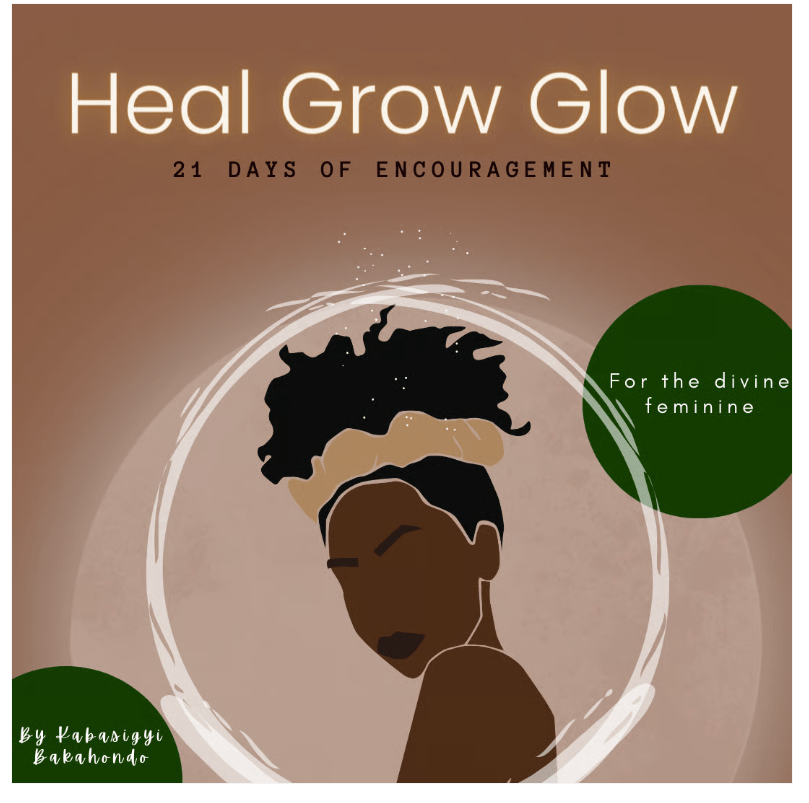
Heal, Grow, Glow,
with Kabasigyi-Bakahondo and the other Canadian-Ugandans doing the work like Claire E. Senjule. Her podcast “VAIN” is one of a kind! #NoGatekeepers #GenZ #NewmarketTrauma #SiblingsWhoHealOthers

 HEAL GROW GLOW
Leave a comment