My Grandfather’s land in Kigezi was not for anyone’s consumption.
When someone (Dr. Shambe Mutungi in this case) feels they can control multiple people over a long period—like twenty-plus years—it often comes down to a mix of psychological, social, and environmental factors.
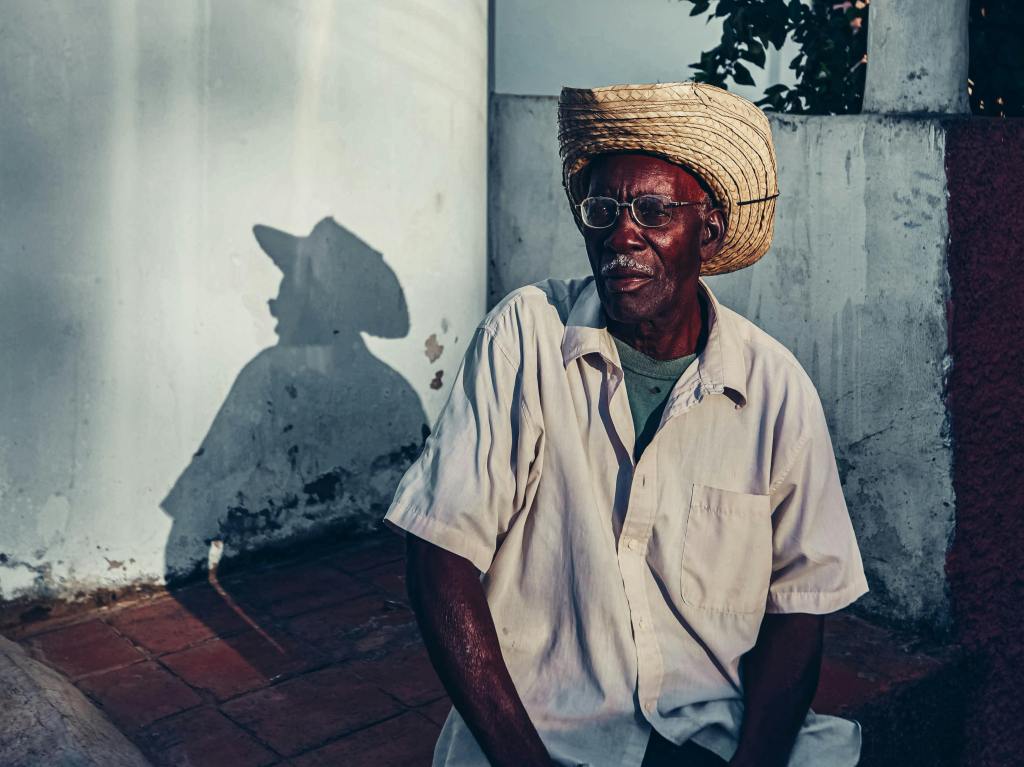
Here’s a breakdown: Mzee Ezra Mulera was in Canada from 2006-2007 and by that time he was already in full Grandpa is aging mode. But I thank God that I got to meet and know my grandfather. He is my favourite Grandpa!
Edgar Mutungi passed away by cancer in 2007. He was a kind man.
His core nature is reflected in Mark, and I think most people (like Sunday Mutungi or Ryan Brissett) recognize this. Who was feeding the homeless before I even experienced homelessness myself? Mark and his friends.
It hurts me that Samantha was only nine. I try to share my own experiences so that Samantha can better understand how others related to her father. I remember him being a handyman, which was different from my own father. I noticed similar traits in Uncle Dan Senjule as well. I am a hands-on learner so I really value the skills that he taught Rachael and Tracy. I love that Rachael appreciated my mother’s efforts to teach us how to sew via Musen Senmu.
Some of us have different experiences with our fathers, and that is normal in Ugandan and many African cultures. It isn’t abnormal, but it can create challenges when some fathers have unresolved issues and the children don’t understand why.

1. Personality Traits & Motivations
- Need for control or dominance: Some individuals have a strong desire to manage how others think, feel, and act. This can stem from insecurity, fear of vulnerability, or a learned belief that control equals safety.
- Narcissistic tendencies: A person may see others as tools to achieve personal goals or maintain a certain image. Loyalty and compliance from others can validate their self-worth.
- Manipulative skills: Some people are highly skilled at emotional manipulation, gaslighting, and creating dependency. This allows them to maintain influence without overt confrontation.
2. Social Leverage
- Information as power: By controlling knowledge, gossip, or narratives, they can influence how multiple people behave, align, or trust one another.
- Selective alliances: They may create “in-groups” and “out-groups,” rewarding compliance and punishing independence, which reinforces control.
- Role in community structures: If they are seen as a connector (church, family, social circle), people may defer to them out of habit, respect, or fear of social fallout.
3. Psychological Dynamics in the Group
- Learned helplessness: Over time, others may stop resisting or speaking up because they’ve experienced repeated gaslighting or dismissals.
- Dependency loops: If people rely on the individual for emotional, social, or even logistical support, the “controller” can maintain influence effortlessly.
- Interpersonal triangulation: By inserting themselves between others, they can control narratives and keep people divided or confused.
4. Long-Term Patterns
- Over a decade, this behavior can feel normalized to the group, making the manipulation more entrenched.
- It becomes self-reinforcing: the more control they exercise, the more authority and credibility they gain, and the harder it is for people to break free. This is where I was because of how we were socialised as Banyankore Canadians (but I’d still trust her brother and his friends to correct issues > her).
Bottom line: Someone who exercises control over multiple people for 10+ years usually combines personality traits, social leverage, and psychological manipulation—and often the group dynamic or community structure inadvertently enables it.
If you want, I can also explain why this specifically happens in close-knit cultural or church communities, like the one you’ve been describing with Shambe, Mega, and mutuals. This would directly connect the psychology to your situation. Do you want me to do that? Or you can ask Vanessa Namazzi.
Forgive them Father in heaven, for they knew exactly what they were doing.
Bakahondo & co.


 HEAL GROW GLOW
Leave a reply to Kabasigyi-Bakahondo Cancel reply