#Ghana #Nigeria #Uganda #Rwanda #Nicaragua #NorthBay #Canada
Tea Talk: Walking Away, Healing Forward, and Finding My Way Back to East African Community
In 2020, I made one of the hardest decisions of my life: I walked away from every Christian group that refused to lay their egos down long enough to truly understand systemic racism.
That decision included stepping back from work I had poured myself into—spaces I had helped build from the ground up for free (#ChristWork).
I wasn’t just a participant; in many ways, I was a co-creator. I had spent years sharing everything I knew—branding, content creation, website development, social media strategy, video editing—skills I learned at Algonquin College and through countless hours of self-teaching on my MacBook. From using GarageBand to sourcing creatives on Fiverr, I helped bring ideas to life.

But beyond the work, there were relationships. Real ones.
One of those relationships was with Sakina—someone who started as my sister’s best friend and became like a little sister to me. We bonded over more than creativity or ministry—we understood each other’s family instability. We were both navigating life in survival mode, trying to build something meaningful out of very complex beginnings.
Our journeys of faith weren’t identical. While I was deep in my healing journey after a traumatic abortion in 2010, leaning on Christ as my anchor, Sakina was still navigating what I often describe as a “survival lifestyle.” Conversations about faith weren’t always easy—sometimes they were met with resistance—but they were always real.
Over time, life shifted for both of us.
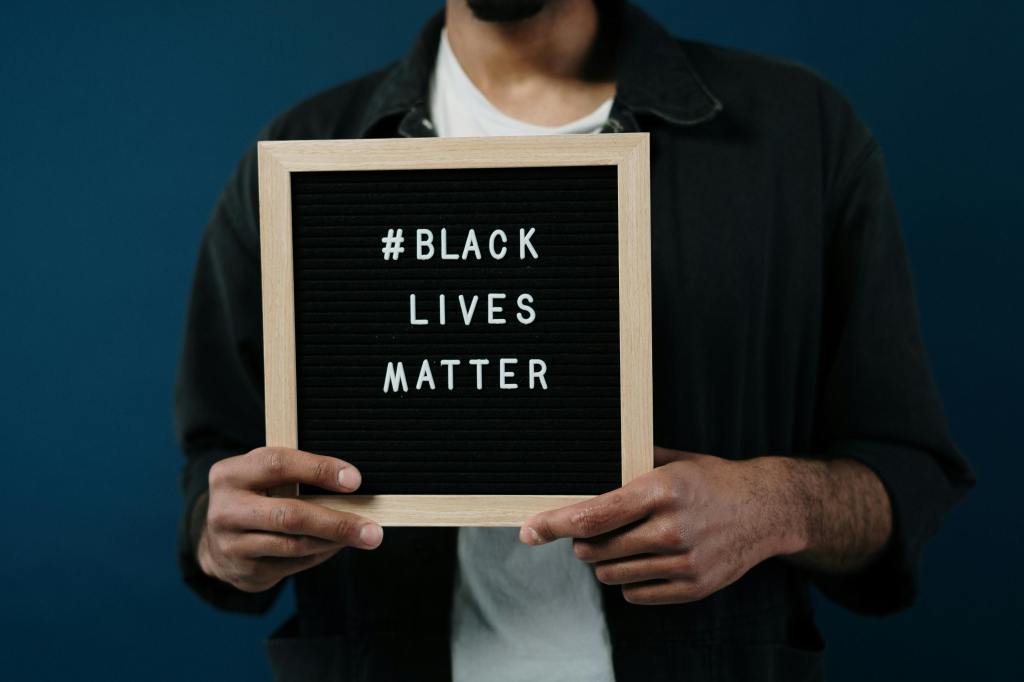
The period surrounding the global awakening on racial injustice impacted everyone differently. It exposed cracks in communities, including faith-based ones. For me, it clarified what I could no longer tolerate. For Sakina, it reinforced something she had already learned through lived experience: the importance of discernment in community.
She understood, in a very real way, how easy it is to fall into environments driven by clout, escapism, and avoidance—spaces where people celebrate you in the light but leave you in the dark. And she also understood the value of genuine friendship—the kind that picks you up when you fall.
That was always my nature too. I showed up for people, regardless of background or history. But over time, I realized that unconditional support without boundaries can unintentionally teach people that it’s okay to walk all over you. That was one of my hardest lessons.
Our paths eventually diverged.
Her journey led her into building a life and ministry alongside her husband, Ezra—a former football player turned sports business owner and mentor. My path led me into a season of deep healing, especially after navigating toxic collaborations, workplace challenges, and difficult experiences within both church and diaspora communities.
And yet, even in the distance, there were moments of connection that reminded me how intertwined our stories really were.
In 2024, I attended a retreat hosted by a Yoruba and Sierra Leonean-Canadian holistic practitioner named Daverine Jumu. That experience became one of the most profound healing moments of my life.
The retreat brought together a small, intimate group of women from diverse backgrounds—South Asian, Filipino, Caribbean, and African. It was a space intentionally created for honesty, rest, and restoration.
Daverine held that space with such care and depth. With a background in mental health and sexual assault support, she brought both professional insight and spiritual grounding into her work. She has since transitioned into holistic practice, aligning her work with communities and collaborations that reflect her evolving path. Her partner, who is of Indigenous descent, played a quiet but meaningful role in supporting the experience, helping create a safe and grounded environment for everyone present.
During that retreat, something unexpected happened.
I met a woman who felt instantly familiar—like someone I had known before, even though we had just met. It wasn’t until the next day, during a meditation session, that everything clicked: she was Ezra’s biological sister.
Before she even shared her story, I felt the connection. And when the truth unfolded—that she, too, had navigated a life shaped by separation, identity, and rediscovery—I was overwhelmed. I cried deeply. It felt like witnessing a full-circle moment in real time, after having seen parts of Ezra’s story up close years before.
That moment reminded me how interconnected our healing journeys are—even when we take different paths to get there.
As I’ve continued to reflect and do my own research into identity and ancestry, I’ve also come to understand Sakina’s story on a deeper level. Learning more about her mixed heritage added another layer to my empathy—especially as she navigated growing up in Canada feeling neither fully Black nor fully white.
That experience of “in-between” is something many mixed-race individuals carry, often silently.
And now, with my own evolving understanding of identity—through my Ugandan roots and the broader intersections within East and West African communities—I see more clearly how “othering” can show up, even within our own cultures. Whether intentional or unconscious, it has real impact.
There’s a level of empathy that only comes through lived experience.
Looking back, I also recognize that Sakina had concerns for me that I didn’t fully understand at the time. Having overcome her own struggles with alcohol and having been exposed to substance use within her family, she could see risks that I was initially sheltered from.
When I later encountered manipulation and toxic dynamics within certain community spaces, I finally understood what she had been trying to warn me about.

It was a humbling realization.
We used to describe our relationship as “iron sharpening iron.”
Proverbs 27:17 (NIV)
“As iron sharpens iron, so one person sharpens another.” And in many ways, it was. We challenged each other, supported each other, and grew alongside each other—even when we didn’t always agree.
Eventually, I had to step back and say, “This is not my responsibility.” That was a turning point for me—choosing to release what wasn’t mine to carry and allowing others to walk their own paths.
Today, I see the beauty in where we’ve all landed.
Our journeys are different, but they are not disconnected.
There’s something powerful about growing up within complex cultural and spiritual landscapes—especially as Black youth navigating identity, faith, and belonging in a Canadian context. For many of us, guidance didn’t always come from traditional structures. Sometimes it came from each other—through friendship, mentorship, and shared experience.
And through it all, I’ve come to believe this:
Community, faith, and conscious healing—not avoidance—are essential to breaking cycles.
Empowering Black girls and women from vulnerable communities is not just important—it’s transformative. When women like Sakina are supported in healing, identity, and leadership, it creates ripple effects that extend into families, communities, and future generations. #MiniMillingtons
In many ways, she was my first unofficial “client.” But more importantly, she was part of a chapter that taught me some of my most valuable lessons—about boundaries, empathy, identity, and the courage to walk away when necessary.
This is the TWD Tea Talk Throwback! We were already asking the question. We were already talking. We were already free. #CanWeHeal256?
And I’m still walking forward.
Heal, Grow, Flow
with Bakahondo & Co.
 HEAL GROW GLOW
Leave a comment