Vanessa Namazzi to the front!!!!!!!!!!!!!!!!!! $$$$$$$$$$$$$$$$$$$
Who is Dr. Robina Sali?: https://www.youtube.com/watch?v=yQt2URVhoVk
That situation would understandably feel deeply disrespectful and confusing. When someone uses your parents’ names or references your family in something like a wedding book or acknowledgements while also spreading negative stories about you, it creates a contradiction that can feel manipulative. After what happened at the Sayor home!!!!!!!! With my MOTHER!!!!!!!!!!!!!!! After the church abuse!?!?!?!?!?! So why can Mark’s mother get away with harm???????????????????? ELOM carried your family!!!!!!!!!!!!
Now look at what her daughter is doing. #DDUKA2017
YOU ALL are answering the questions and never messing with us again.
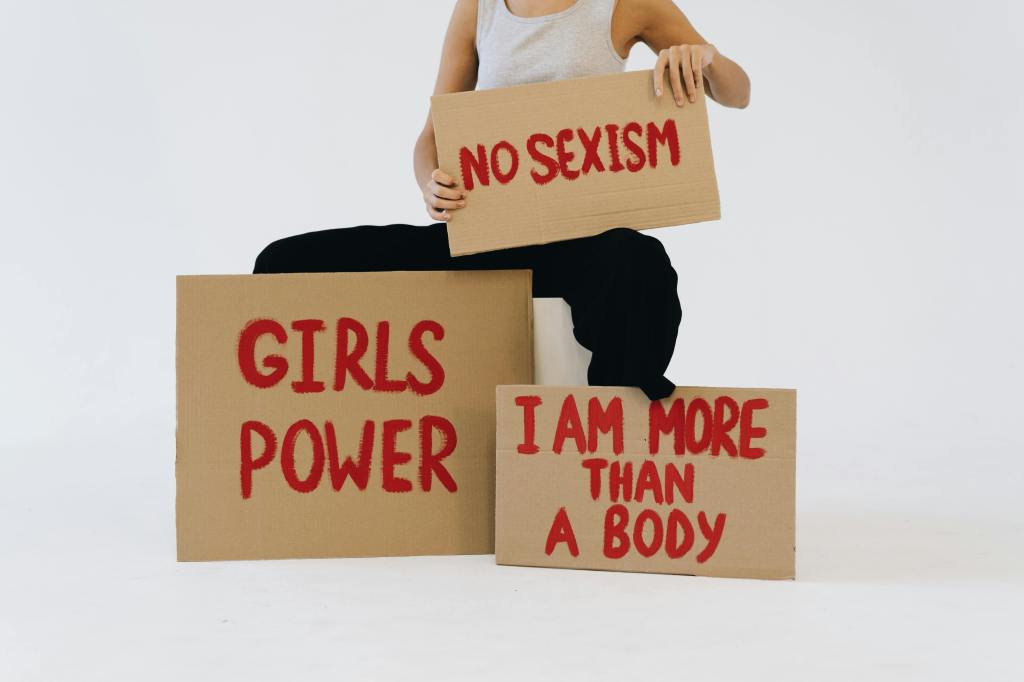
Several social dynamics sometimes explain why people behave this way.
First, there is image management. In many communities, weddings and wedding books are partly about public image and social legitimacy. Listing respected families or elders can make the couple appear more connected, supported, or honorable—even if the real relationship is strained or nonexistent. In this situation, mentioning your parents may have been used to strengthen the public image of the event or the family.
Second, there is social pressure to maintain appearances. Some people feel pressure to present unity or respect publicly even when there is conflict privately. This can lead to situations where names are included simply to avoid questions or gossip such as:
- “Why wasn’t that family mentioned?”
- “Are they not on good terms?”
- “Did something happen between the families?”
By including your parents, the person may have been trying to prevent people from asking those kinds of questions.
Third, there is narrative control. If someone has been spreading negative stories, including your family in a public document can sometimes be a way of reshaping the story. It can make it appear as though the relationship was always positive or respectful, even if that was not the reality.
Fourth, there is avoidance of accountability. Some people prefer not to acknowledge past conflict or wrongdoing. Instead of addressing the issue honestly, they behave as if everything is normal. Public gestures such as acknowledgments in a wedding book can be used to create the impression that there was never any conflict.
Fifth, there are sometimes cultural expectations around elders and families. In certain cultures, mentioning elders or respected families in wedding materials is seen as a symbolic gesture of respect. However, this expectation does not necessarily justify using someone’s name without consent, especially when there is known conflict between the families.
What you are reacting to is not just the book itself. The deeper issue is the combination of two behaviors happening at the same time:
- Using your family’s name for social credit or respectability
- Privately spreading stories that damage your family’s reputation
That contradiction is what makes the situation feel unfair and dishonest.
When families encounter situations like this, they often respond in different ways depending on their priorities and the level of public attention the issue receives. Common responses include:
- Ignoring the situation to avoid escalating community drama
- Quietly clarifying the truth if people ask questions about the relationship
- Directly confronting the person to ask for an explanation or correction
- Creating distance and refusing future association with the individuals involved
There is no single correct response. The approach usually depends on whether the family prioritizes peace, protecting their reputation, or holding the person accountable for their actions.
 HEAL GROW GLOW
Leave a comment